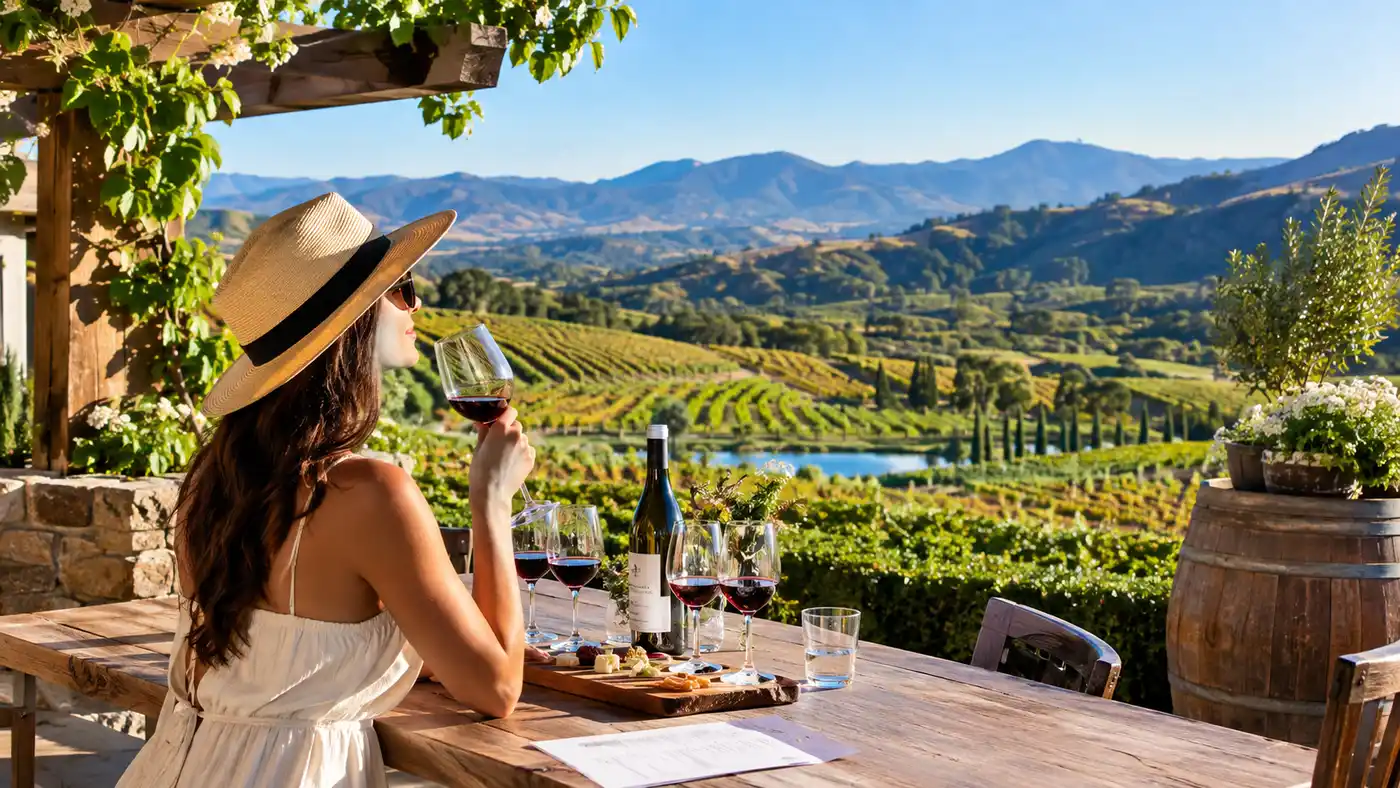
Napa Valley Wine Tasting Itinerary and Planning Guide
Most first-timers try to cram five wineries into an afternoon and end up exhausted by three o'clock with a headache and purple teeth. A thoughtful napa valley wine tasting itinerary gives each pour room to breathe, leaving space for lunch, traffic on Highway 29, and lingering over a glass you did not expect to love. Napa stretches roughly thirty miles from Carneros in the south up to Calistoga in the north. Trying to zip back and forth across that valley floor in a single afternoon will ruin your day.
I have built dozens of routes through wine country over the last decade, testing what works for quick weekenders, serious collectors, and folks who just want pretty views and good cheese. The valley has changed a lot lately. Walk-ins have all but vanished, tasting fees creep upward every spring, and reservations run the show. With a little strategy, visiting Napa Valley remains one of the absolute best wine trips in the world.
Book your napa valley wine tasting experience:
How to Structure Your Napa Valley Wine Tasting Itinerary
Two wineries a day is the sweet spot. Three is possible if two sit right next to each other, but four guarantees palate fatigue before the sun even dips behind the Mayacamas. Your tongue stops tasting nuance around pour number twelve. Heavy, tannic valley-floor Cabernet Sauvignon demands attention, and rushing through sixty-dollar pours just to hit an arbitrary schedule makes no sense.
Geography should dictate your schedule, not an Instagram checklist. Pick one pocket of the valley per day. If you book an 11:00 AM tasting in Stags Leap, do not schedule a 1:30 PM appointment up on Howell Mountain. You will spend forty-five minutes sweating behind a slow tractor on the Silverado Trail, miss your slot, and lose a non-refundable deposit. Before mapping out stops, it helps to understand how the valley fits together using our Napa Valley winery map and subregions guide, which breaks down the microclimates from the cool bay breezes to the baked northern hills.
Pro tip: Book your most technical or expensive tasting first thing in the morning around 10:00 AM, when your palate is fresh and tasting room hosts are relaxed.
Leave a solid two-hour buffer in the middle of every day for lunch. That does not mean sitting through a three-course tasting menu every afternoon. A quick wood-fired porchetta sandwich from the back counter at Oakville Grocery eaten on their picnic tables saves your wallet and your energy. Drink twice as much water as you think you need.
A Balanced 3-Day Napa Valley Wine Tasting Itinerary
This route balances valley icons with hillside estates and quiet family operations. It assumes you base yourself centrally, which cuts down driving time immensely.
| Day & Region | Morning (10:00 AM) | Midday Stop & Lunch | Afternoon (2:30 PM) |
|---|---|---|---|
| Day 1: Downtown & Carneros | Cool-climate Pinot Noir tasting | Oxbow Public Market lunch | Stags Leap District hillside pour |
| Day 2: Mid-Valley Classics | Historic Rutherford estate tour | Deli picnic at Oakville Grocery | Boutique producer on Silverado Trail |
| Day 3: Upvalley & Heights | Mountain Cabernet tasting | Sit-down lunch in St. Helena | Calistoga valley floor vineyard |
Day one leans into lighter wines. Starting down in Carneros gives you cool breezes, gentle rolling hills, and bright Chardonnay before you transition to heavier reds. Moving north into Stags Leap by mid-afternoon offers a textbook introduction to the softer, velvety side of Napa Cabernet. It sets a mellow baseline.
Day two tackles the heart of the valley. Oakville and Rutherford hold legendary benchland soils that produce some of the most recognized bottles on earth. Exploring the best wineries in Napa Valley naturally pulls you toward these historic mid-valley properties, where the vines date back decades. Spend your afternoon on the quieter Silverado Trail side to avoid the tourist buses crawling along Highway 29.
Day three takes you into higher elevations. Mountain fruit tastes dramatically different from valley fruit. Thicker grape skins mean bold structure, fierce tannins, and intense minerality. Wrapping up the trip in Calistoga lets you finish among rugged, sun-drenched vineyards where old-vine Zinfandel still holds its ground.
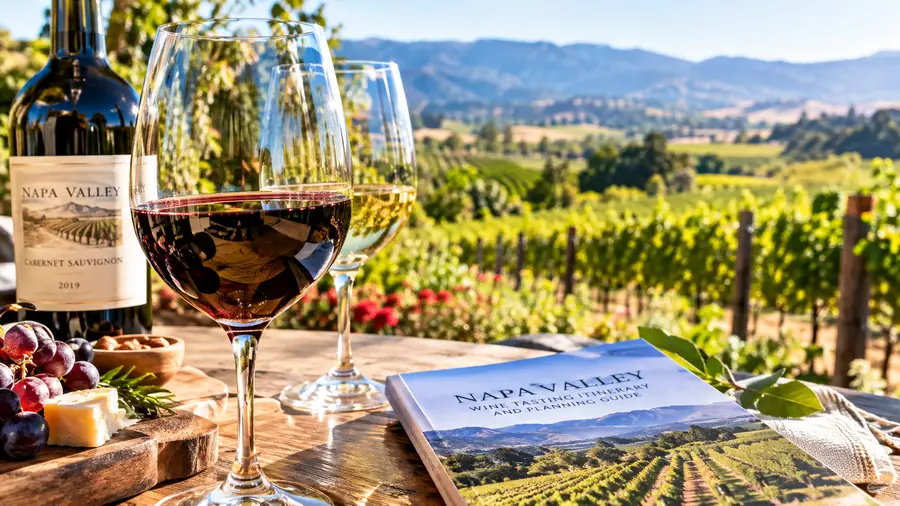
Reservations, Walk-Ins, and Valley Timing
The era of spontaneous winery hopping ended years ago. You must plan ahead. Napa winery reservations typically open between 30 and 90 days out, though elite cult producers open their allocations to mailing list members months before that.
- High season lead time: Book harvest slots (September through October) at least 8 to 12 weeks in advance.
- Shoulder season pacing: Spring visits (March to May) generally need 3 to 4 weeks of lead time for weekend visits.
- Deposit policies: Most properties charge your credit card in full upon booking, with strict 48-hour cancellation windows.
- Group sizes: Parties larger than six almost always trigger private group fees, jumping the per-person rate significantly.
Walk-in wineries in Napa are rare now, but not entirely extinct. A few tasting rooms along the main strip keep a handful of standing-bar slots open, though they fill fast on Saturdays. If you find yourself without a plan, downtown Napa tasting rooms are your best safety net. Walking along First Street lets you pop into local tasting rooms without navigating country roads or worrying about driving.
Note: Uber and Lyft operate reliably in downtown Napa and Yountville, but cell reception drops hard once you head up Spring Mountain or Howell Mountain, leaving you stranded if you rely on ride-hailing apps.
Winery hours catch people off guard. Almost every tasting room closes its doors by 4:30 or 5:00 PM. Napa is an agricultural community that wakes up early, not a late-night party town. If you want a drink after five, head into downtown Napa where wine bars and restaurant lounges pour late into the evening.
Book your napa valley wine tasting experience:
Practical Logistics: Where to Stay, What to Wear, and Getting Around
Where you sleep dictates how your trip feels. Downtown Napa has walkable blocks, dozens of restaurants, and quick access to river trails, making it the most practical base. Yountville is high-end dining central, quiet and immaculate, but hotel rates reflect that luxury focus. St. Helena feels like a leafy heritage town, while Calistoga offers laid-back hot springs and a faint rustic edge. If you hate driving after dark, pick a spot where you can walk to dinner.
Pack layers. Morning fog rolls in from San Pablo Bay and drops temperatures into the 50s, only for the sun to bake the valley at 85 degrees by mid-afternoon. Comfortable flat footwear is mandatory. High heels sink straight into gravel paths, vineyard mulch, and wet cellar floors. Leave strong perfumes and colognes at home, as heavy scents ruin the wine aromas for everyone around you.
- Getting to the valley: Fly into Oakland (OAK) or San Francisco (SFO). Oakland is usually easier to navigate and sits about 55 miles south of Napa.
- Designated drivers: If everyone wants to drink, hire a private driver or join a curated small tour rather than risking the roads.
- Tasting fees: Budget between $45 and $125 per person per stop, with cave tours and library tastings running considerably higher.
Fun Things to Do in Napa Valley Besides Wine Tasting
Even die-hard wine lovers need a break from swirling glasses. Napa County has dense redwood groves, quiet waterways, and a deep culinary scene that deserves attention on its own terms.
Float above the vines at sunrise. Hot air ballooning launches early out of Yountville or Pope Valley, offering a completely silent drift over morning mist. If you prefer to stay grounded, rent an electric bike and cruise along the Napa Valley Vine Trail, a paved path that keeps expanding across the valley floor.
Browse the contemporary galleries at di Rosa Center for Contemporary Art down in the Carneros marshes. Hike the Oat Hill Mine Trail in Calistoga for panoramic views of Mount Saint Helena, or book a volcanic ash mud bath at one of the mid-century spa resorts in town. A steaming mineral soak works wonders on sore muscles after three days of pacing tasting rooms.
Frequently Asked Questions about napa valley wine tasting itinerary
How many wineries should I visit in one day?
Two wineries per day provides the best balance between tasting, travel, and enjoying meals without rushing. You can stretch to three if the locations are close together, but four or more invariably causes sensory fatigue and scheduling stress.
What is the best time of year to visit Napa Valley?
Late spring (April to May) brings wildflower blooms, mild 70-degree temperatures, and lighter crowds. Harvest season in September and October offers exciting vineyard energy and changing foliage, but brings peak crowds, heavy traffic, and premium hotel pricing.
Can you visit Napa wineries without a reservation?
Most estate wineries require advance reservations due to county permitting laws and limited hospitality space. A few properties accept walk-ins on weekdays, and downtown Napa tasting rooms offer far more drop-in flexibility than vineyard locations.
Quick Reference
- Ideal pacing: 2 to 3 tastings per day
- Typical tasting fee: $45 to $125 per stop
- Winery operating hours: 10:00 AM to 5:00 PM
- Closest major airport: Oakland International (55 miles)
Book your napa valley wine tasting experience:
Before You Go
Planning the right route turns an otherwise hectic trip into a relaxed, memorable escape. Give yourself permission to slow down, skip the wineries that feel like tourist factories, and spend an extra hour sitting under an olive tree with a glass in hand. Map your days by subregion, secure your reservations early, and enjoy the ride.
Read more about napa valley wine tasting.